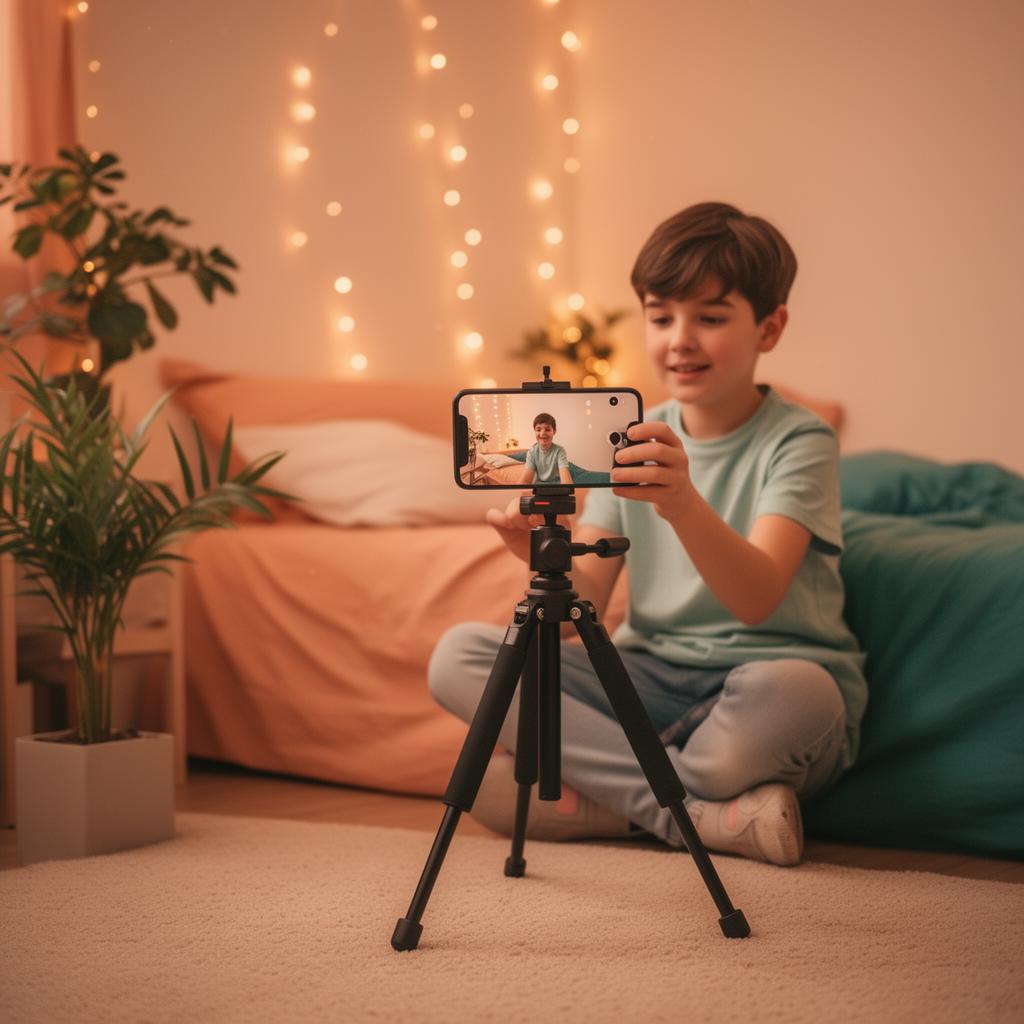


TikTok's algorithm changed more in 2025 than in any previous year. Watch time isn't enough anymore — the FYP now rewards rewatch rate, saves, and creator consistency over raw views. Here's what actually works in 2026.
What you'll learn
In this guide
- 1. What changed in 2025–2026
- 2. The new 3-second hook rule
- 3. Why short videos beat long ones again
- 4. Posting strategy that works
- 5. When and what to repost
- 6. Common mistakes that kill reach
What changed in 2025–2026
TikTok rebalanced the FYP to reduce 'viral one-hit wonders' and reward creators who post consistently. The single biggest change: rewatch rate now outweighs raw watch time. A 12-second video watched 1.4 times beats a 60-second video watched once.
TikTok 2026 ranking signals, weighted
| Signal | Weight | How to optimize |
|---|---|---|
| Rewatch rate | Very high | Loop endings into beginnings |
| Watch time % | High | Front-load the hook |
| Saves | High | Add value worth saving |
| Shares | High | Create 'tag a friend' moments |
| Comments | Medium | Ask one specific question |
| Likes | Low | Stop optimizing for these |
| Posting consistency | New (2026) | 3–5 posts/week minimum |
The new 3-second hook rule
The first 1.5 seconds determine whether a viewer stays. Use a visual pattern interrupt (movement, text on screen, surprising frame) within the first 0.5 seconds. Never start with a logo, intro, or 'hey guys'.
Why short videos beat long ones again
TikTok pushed creators toward longer videos in 2024. That experiment is over. 8–22 second videos now have the highest completion and rewatch rates. Longer videos only work for tutorial-style content where viewers are pre-committed.
Posting strategy that works
Three to five posts per week, same niche, consistent style. Algorithm rewards creators who teach it what they're about. Niche-switching kills your reach for 14–21 days every time.
Weekly TikTok creator checklist
- 3–5 posts per week, same niche
- Hook within first 0.5 seconds
- Caption that asks a specific question
- Reply to every comment in the first hour
- Repost your top 20% performers as different edits
When and what to repost
Your top 20% of videos can be re-edited and reposted every 4–6 weeks. Change the hook, the music, and the caption. Many creators get more views from repost #2 than from the original.
Consistency beats virality. Five steady weeks of niche posts will outperform one accidental viral hit every time.
Common mistakes that kill reach
Posting across niches. Long intros. Using trending sounds that don't match the content. Posting once a week. Replying late to comments. Buying followers — TikTok detects this within 30 days and shadow-bans the account.
Want to grow on short-form video?
Aiskillo's 'Short-Form Mastery' workshop covers TikTok, Reels, and Shorts with live teardowns of viral and flopped videos.
Browse short-form workshops →Frequently asked questions
How often should I post on TikTok in 2026?
Do hashtags still matter?
Why am I getting zero views suddenly?
Is TikTok still worth it for new creators in 2026?
What actually moves the needle
Aiskillo benchmarkRelative impact of each lever based on 2026 case-study data across our learners.
Enjoyed this article?
Get weekly insights from our team.
Premium playbooks, deep-dives, and case studies — straight to your inbox.