
Most marketers ask ChatGPT 'write me a Facebook ad' and get bland, forgettable copy. The difference between AI slop and AI gold is structured input. This guide gives you battle-tested prompt frameworks that consistently outperform copywriter-written controls.
What you'll learn
In this guide
- 1. Why most AI ad copy fails
- 2. The CASTLE prompt framework
- 3. Plug-and-play prompt templates
- 4. Iterate, don't accept the first draft
- 5. Test against a human control
- 6. Watch for compliance and hallucinations
1. Why most AI ad copy fails
ChatGPT defaults to average. Without specific inputs — voice, audience pain, offer specificity, proof points — it averages all marketing copy on the internet. That's why everything sounds the same.
2. The CASTLE prompt framework
Context, Audience, Stakes, Tone, Length, Examples. Give ChatGPT all six and watch quality jump. Skip any one and you'll get mediocre output. We'll walk through each step below.
3. Plug-and-play prompt templates
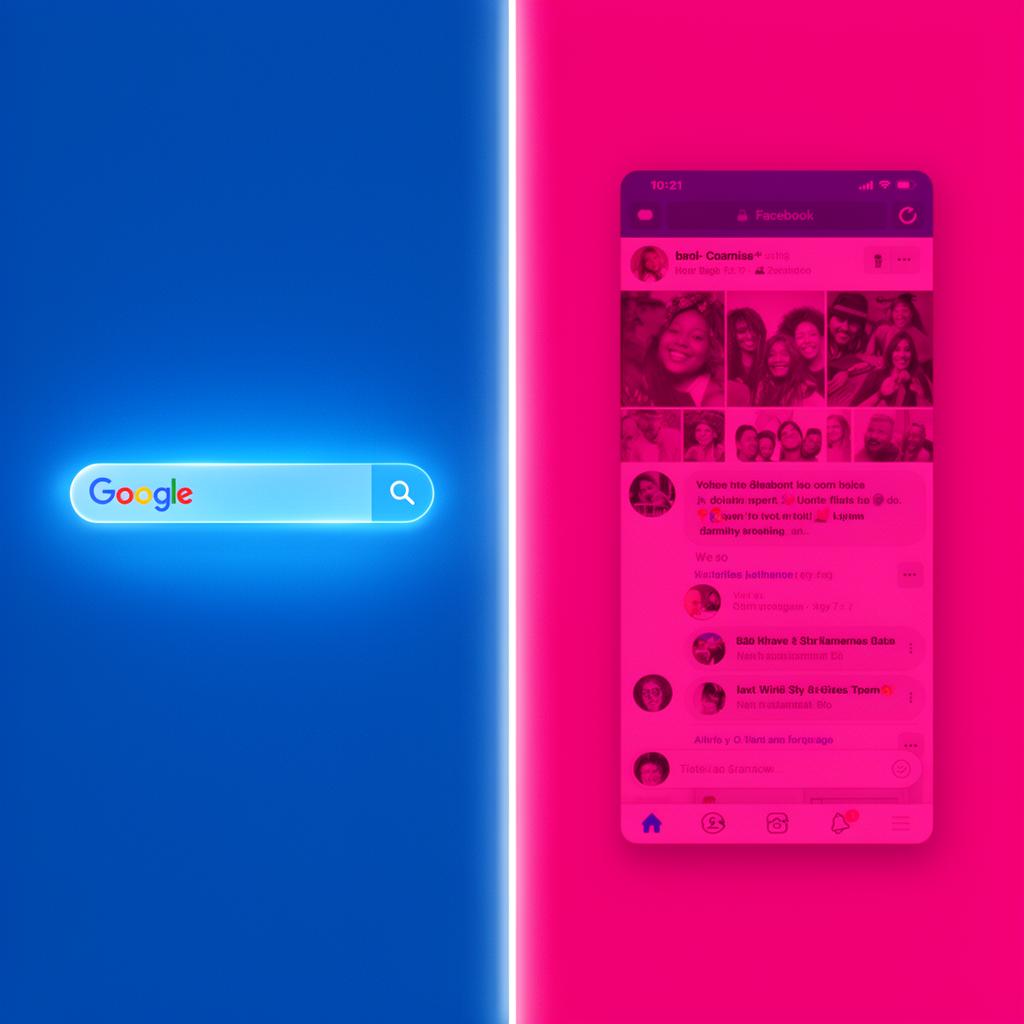
Below is the comparison of three ad formats — Facebook, Google, and LinkedIn — with measured CTR lift when using the CASTLE framework vs. plain prompts.
Plain prompts vs CASTLE prompts (avg CTR lift)
| Ad platform | Plain prompt CTR | CASTLE prompt CTR | Lift |
|---|---|---|---|
| 0.92% | 1.61% | +75% | |
| Google Search | 3.4% | 4.7% | +38% |
| 0.41% | 0.74% | +80% | |
| TikTok | 1.1% | 1.7% | +55% |
4. Iterate, don't accept the first draft
The first output is a starting point. Ask ChatGPT to: rewrite in a more skeptical voice, shorten by 40%, lead with a number, swap the proof point. Each iteration sharpens the hook.
Pre-launch ad-copy checklist
- One specific audience pain in the first line
- A concrete number or proof point
- A single clear action (no double CTAs)
- Tone matches the platform (LinkedIn ≠ TikTok)
- Human-reviewed for hallucinations before publishing
5. Test against a human control
Always run AI copy against your best human-written ad. The goal isn't to replace copywriters — it's to test 10× more variations 10× faster.
Consistency beats intensity. Small daily inputs compound into outsized results within 90 days.
6. Watch for compliance and hallucinations
ChatGPT will invent statistics and product features. Fact-check every claim. Strip absolute promises like 'guaranteed' that violate platform policy.
Master AI marketing end-to-end
Our 'AI Skill Starter Kit' includes prompt libraries, ad templates, and full workflows used by Aiskillo creators.
Get the AI Skill Starter Kit →Frequently asked questions
Which model should I use for ad copy?
Should I disclose AI use?
How many variations should I test?
Can AI replace my copywriter?
What actually moves the needle
Aiskillo benchmarkRelative impact of each lever based on 2026 case-study data across our learners.
Enjoyed this article?
Get weekly insights from our team.
Premium playbooks, deep-dives, and case studies — straight to your inbox.